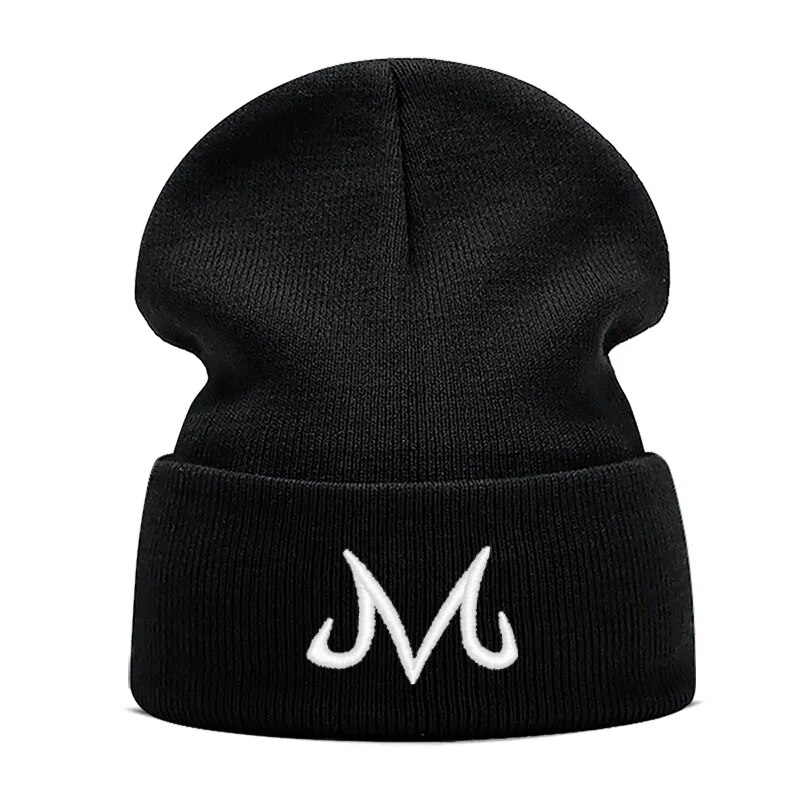
Looking back, I feel pretty foolish about my choices. If you're currently searching for the best ski beanie for snowboarders, please learn from my mistakes. I ended up wasting both time and money on subpar headwear. Trying to save a few bucks ultimately cost me nearly $150 over two winter seasons.
Every trip to the slopes came with uncomfortable headaches from the cold. The inexpensive beanies I purchased were either uncomfortably tight or provided inadequate insulation. I must have spent at least 15 hours browsing online stores and waiting for packages to arrive. Everything turned out to be disappointing until I discovered the M Beanie Hat.
Here's what I wish someone had told me before I spent all that money:
I mistakenly believed all hats were essentially the same. I purchased five different options from discount websites, spending between $20 and $35 on each one. The costs accumulated quickly, though I assumed they would serve me well for several outings.
Unfortunately, I couldn't have been more mistaken. These budget hats used thin acrylic material. While acrylic can be suitable, the low-quality version provides terrible protection against cold conditions. The hats felt rough against my skin and offered zero wind resistance, leaving my forehead exposed to freezing temperatures.
To make matters worse, they began losing their shape after the initial wash. Within a month, they transformed into loose, formless fabric that wouldn't stay in place over my ears while carving down mountainsides. I really should have known better from the start.
When a hat comes with an unusually low price tag, the materials are likely inferior. Cheap materials translate to thin construction, and thin construction means insufficient warmth.
Verdict: Avoid purchasing any hat under $25 if you intend to use it for serious skiing or snowboarding. You'll only end up replacing it later.
The product images online consistently misrepresented the actual items. They displayed substantial, comfortable-looking hats that appeared to provide full head coverage. However, the delivered products turned out to be shallow "skull caps" that barely covered anything.
A proper beanie should completely cover your ears and maintain a secure fit under helmets or goggles. The inexpensive options failed on both counts, functioning more as fashion pieces than practical gear. They claimed "warmer bonnet" performance but delivered standard, thin headwear.
I recall one hat marketed as "extra thick" that lived up to its thickness claim but featured large, open knits that allowed cold air to pass right through. The design completely defeated its purpose.
Effective winter hats require dense construction and proper structure, not just bulkiness. Through disappointing experience, I discovered that online promises about affordable gear frequently prove unreliable.
Action Steps: Before making a purchase, always verify these two crucial elements: