Winter is a fantastic time for outdoor adventures, but staying warm and comfortable can be a real challenge. I've spent years experimenting with different headwear systems to find the perfect balance of warmth, breathability, and protection. It's all about layering and finding what works best for you, your activity level, and the specific weather conditions.
I remember one particularly brutal winter hike where I was constantly adjusting my headwear. I started with a simple beanie, but my ears were freezing. Then I tried a bulky hood, but it blocked my peripheral vision and made me feel claustrophobic. I needed a system that was adaptable and wouldn't weigh me down.
One thing I noticed was that everyone had a different opinion on what worked best. Some people swore by multiple hoods, while others preferred a minimalist beanie approach. I realized there wasn't a one-size-fits-all solution. It was about understanding the principles and then customizing the system to my needs.
I saw a lot of people using hoods as their primary headwear solution. The idea is that you can add or remove layers as needed. I tried this for a while, using a fleece jacket with a hood and a waterproof shell with another hood. While it offered flexibility, I found it cumbersome. The hoods often blocked my vision, especially when turning my head. Plus, they tended to trap moisture, making my hair damp and cold.
On the other end of the spectrum, I experimented with just a simple merino wool beanie. This was great for milder conditions or high-intensity activities where I didn't need a lot of insulation. However, when the temperature dropped below freezing, it wasn't enough. My ears would start to ache, and I'd feel the cold seeping in.
Then I tried a balaclava. Initially, I was hesitant because I thought it would be too restrictive. But I quickly realized that the coverage it provided was unmatched, especially in extremely cold conditions. It protected my face, neck, and ears from the wind and snow. The key was finding a balaclava made from a breathable material like merino wool or a synthetic blend.
After much trial and error, I've settled on a system that combines several elements:
This combination allows me to adapt to a wide range of conditions. If it's just a little chilly, I wear the beanie. If the wind picks up, I add the buff. If it's snowing, I wear the ball cap under the beanie to keep the snow out of my eyes. And if it's truly frigid, I pull the buff up over my face for maximum protection.
I also found that a hat with a brim is incredibly useful. It keeps the sun and snow out of my eyes without restricting my vision like a hood does. I combine it with a turtleneck or scarf/buff/balaclava as needed. You can easily find a cheap one that does the job perfectly.
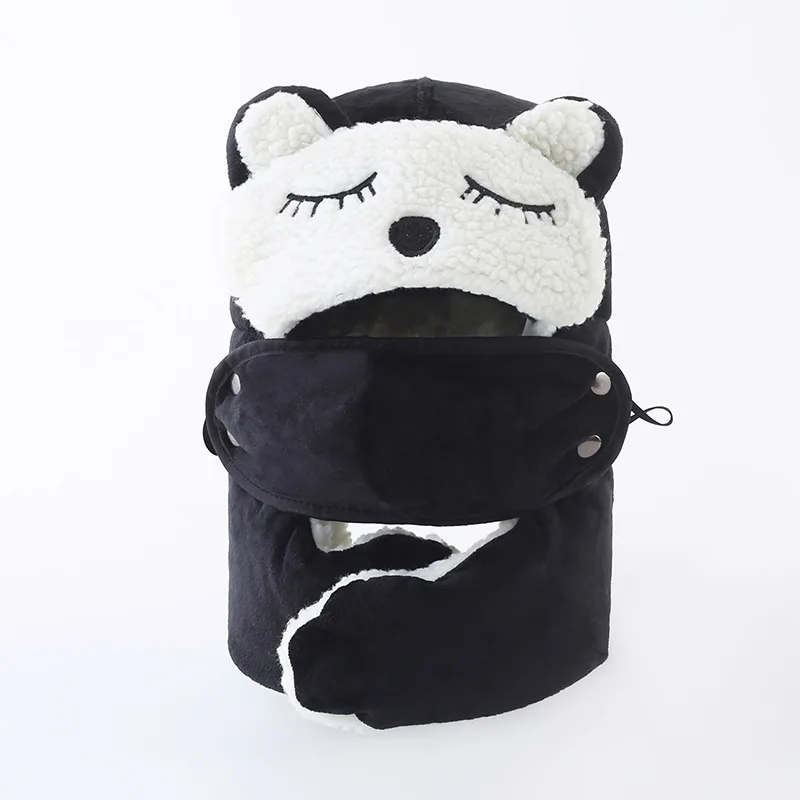
Speaking of beanies, I've been looking for some fun options for my kids. I recently came across these 2019 Fashion Animal Hats. They're not just cute; they also have earmuffs for extra warmth. My kids love them, and I feel good knowing their ears are protected from the cold. It is a fun way to keep kids warm in the winter.