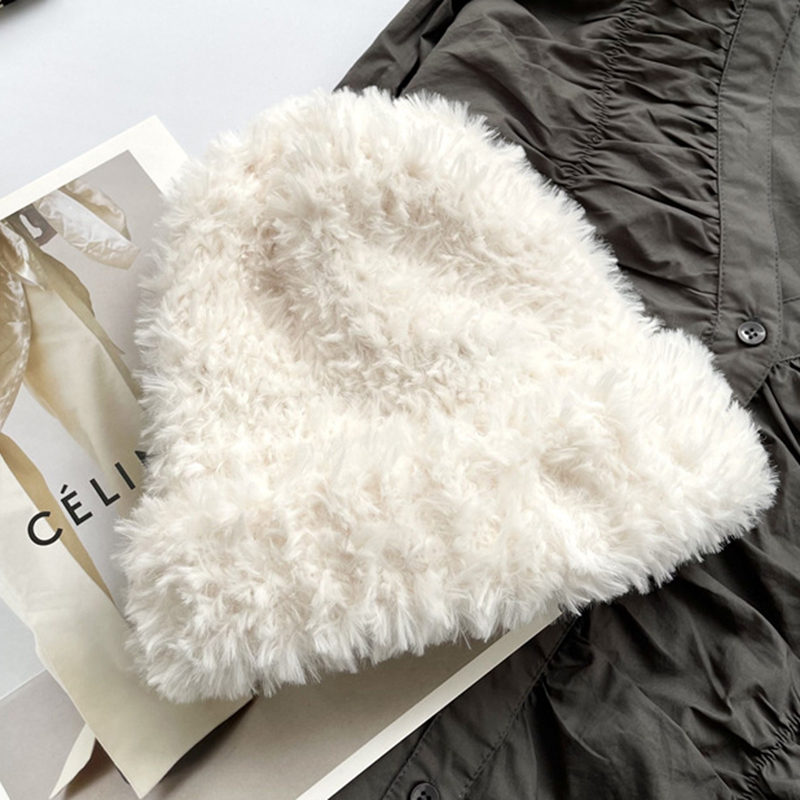
I once believed these common myths about winter beanies. Here is the truth that many companies would prefer you didn't know. Purchasing a winter beanie should be straightforward, but some widespread beliefs about them are simply incorrect.
Ready to learn the truth? Let's get started!
It's a common assumption that all winter beanies perform the same, providing sufficient warmth regardless of type. This is far from accurate.
Some beanies are too thin and allow cold air to penetrate easily. Others are crafted from inferior materials that fail to retain body heat effectively.
Truth: The material and thickness of a beanie have a tremendous impact on its warmth. For the best heat retention, look for thick beanies made from wool or those lined with fleece.
Verdict: Always check the material before buying a winter beanie!
Some shoppers think, "Why pay more? It's only a hat!" and opt for the least expensive choice available.
What often goes unmentioned is that an extremely low price usually indicates very poor quality. Low-quality beanies tend to be uncomfortable, lack durability, and provide inadequate warmth.
A review for a different cap brand illustrates this point well: "Do not pre-book an appointment! Pricing is very misleading... you basically either spend $500+ on a hat or you lose your deposit." This comment underscores the risks of deceptive pricing and potentially getting poor value.
Truth: You generally get what you pay for. Investing a bit more in a beanie made from quality materials will result in better warmth and longevity.
Verdict: It's worth spending a little extra for a superior winter beanie.
The label "one size fits all" can be misleading. Beanies come in various styles and fits—some are slouchy, others are snug, and many can end up being either too tight or too loose.